After several weeks of online learning earlier in 2026, schools across the United Arab Emirates have resumed in-person classes. Students are back on campus, and classrooms are once again active.
However, this return is not simply about reopening schools. It has highlighted the need to create better, more comfortable, and adaptable learning environments.
From Temporary Online Learning Back to Classrooms
During the recent shift to remote learning, students adapted to studying from home. While it ensured continuity, it also changed expectations around comfort and flexibility.
Now that students are back in classrooms, schools are focusing on improving the physical learning environment to support a smoother transition.
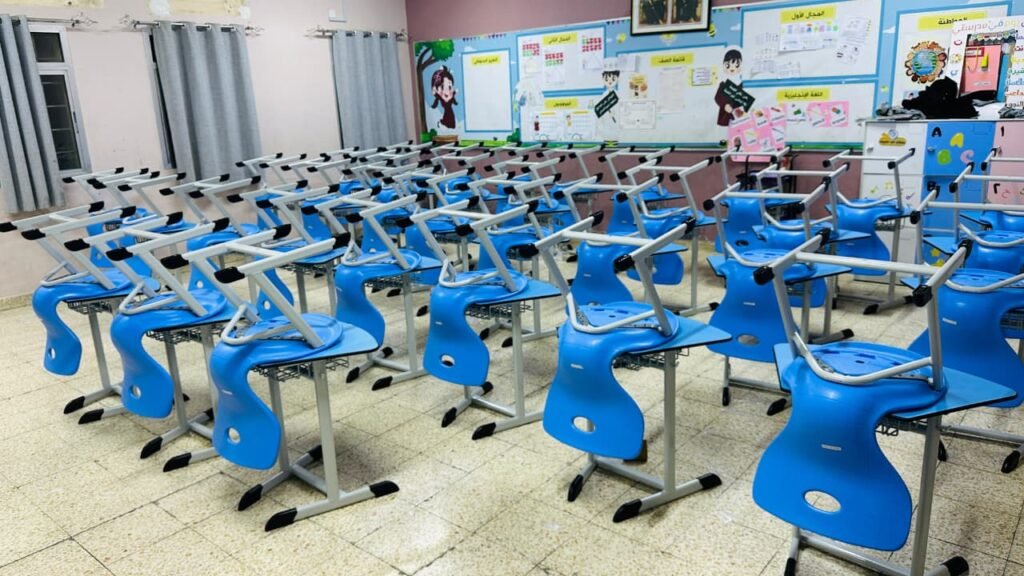
Why Educational Furniture Matters in This Transition
Traditional classroom setups were designed for static teaching methods. But today, schools are placing more importance on:
- Student comfort after extended screen time
- Flexible classroom layouts
- Better engagement during lessons
Educational furniture plays an important role in supporting these needs.
What Schools Are Focusing on Now
As classrooms reopen, schools are paying closer attention to how spaces are designed and used.
Key priorities include:
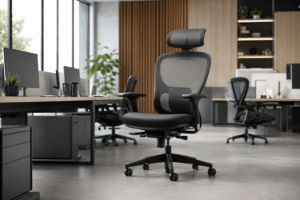
- Ergonomic seating to support posture during long hours
- Flexible desks that can be rearranged for different activities
- Durable materials for daily classroom use
- Efficient use of space as student numbers grow
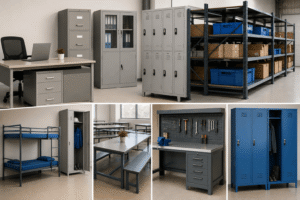
This has naturally increased interest in quality educational furniture in UAE.
Supporting Comfort and Learning
After weeks of studying from home, students are readjusting to structured classroom environments.
A well-designed classroom can help:
- Improve concentration
- Reduce physical discomfort
- Create a more positive learning experience
Even small improvements in furniture can make a noticeable difference in how students engage in class.
Adapting to Evolving Teaching Methods
Teaching methods continue to evolve, even after returning to physical classrooms.
Schools are now combining traditional teaching with:
- Interactive sessions
- Group-based activities
- Technology-supported learning
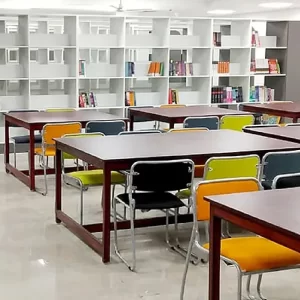
This requires furniture that is not fixed, but adaptable to different teaching styles.
A Practical Approach for Schools
For many institutions, upgrading classroom furniture is a gradual process rather than an immediate overhaul.
The focus is on:
- Replacing outdated furniture
- Improving comfort and usability
- Creating flexible classroom setups over time
This makes educational furniture an important part of long-term planning.
Final Thoughts
The return to in-person learning marks an important step for schools across the United Arab Emirates.
While the shift to online learning was temporary, it has influenced how classrooms are now being viewed and improved.
Educational furniture is a key part of this change—supporting comfort, flexibility, and better learning experiences.
Because today,
a well-designed classroom supports better learning every day.