Construction sites are dynamic environments where workers operate heavy equipment, handle materials, and work at heights. These conditions make safety a top priority.
Providing the right safety equipment is not just about compliance with regulations. It protects workers, prevents accidents, and helps maintain productivity on site.
Safety Helmets
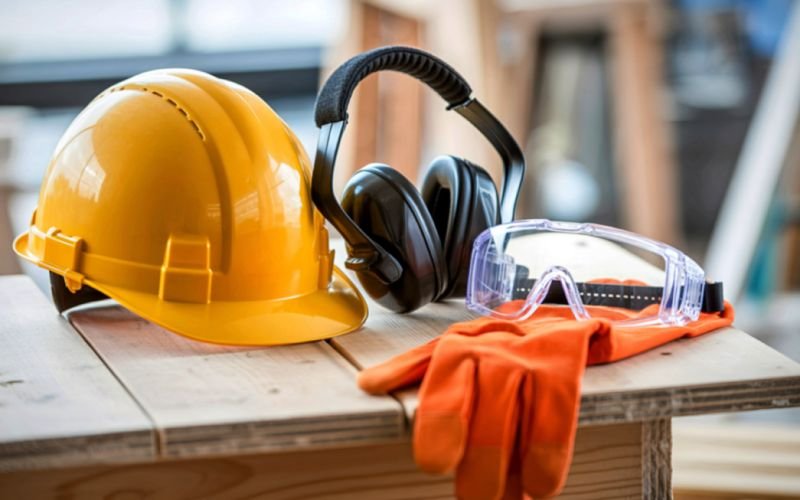
One of the most important pieces of safety equipment is the helmet. Construction sites often involve overhead work, moving equipment, and materials being lifted or transported.
Helmets protect workers from falling objects and accidental impacts. Modern safety helmets are lightweight, comfortable, and designed to provide reliable protection throughout long working hours.
Safety Shoes
Construction sites contain uneven surfaces, heavy materials, and sharp objects. Without proper footwear, workers face a high risk of foot injuries.
Safety shoes provide essential protection with reinforced toe caps, durable soles, and slip-resistant materials. They also offer better grip, reducing the likelihood of slips and falls.
Protective Gloves
Different construction tasks require different types of gloves. Workers handling sharp materials, electrical components, or welding equipment need specialized hand protection.
Gloves help prevent cuts, burns, and skin injuries while improving grip and handling precision.
High Visibility Clothing
Construction sites are busy environments where workers, vehicles, and heavy machinery operate simultaneously. High visibility jackets make workers easier to spot, especially in low-light conditions or large project sites.
Reflective clothing significantly reduces the risk of accidents involving moving equipment.
Eye and Ear Protection
Many construction activities generate dust, debris, and loud noise. Grinding, drilling, and cutting tools can produce particles that may damage the eyes.
Safety goggles protect workers from flying debris, while ear protection reduces exposure to harmful noise levels.
Building a Safety Culture
Providing safety equipment is only one part of maintaining a safe work environment. Training, clear safety procedures, and regular inspections also play an important role.
Companies that prioritize worker safety often experience fewer accidents, higher productivity, and better project outcomes.